Food blogs often begin from personal cooking habits, family traditions, and interest in regional recipes. Our book and the story behind the food blog describe how cooking projects can grow from home kitchens into published food collections with recipes, travel notes, and stories connected with everyday meals.
Development of the Food Blog
Many food blogs start with simple recipe sharing between friends and relatives. Writers publish meals they cook at home, explain ingredients, and show traditions connected with local food culture. Over time readers become interested not only in recipes but also in family stories, travel experiences, and cooking methods.
The blog connected with this book follows strong Italian influence. Pasta dishes, regional products, seasonal vegetables, and family–style cooking appear often inside articles and recipes. Instead of restaurant–style presentation, the blog focuses more on meals prepared for normal daily life.
Recipes usually use ingredients that people can find without difficulty. Cooking instructions stay direct and uncomplicated. This approach helps readers who want practical meals instead of professional kitchen techniques.
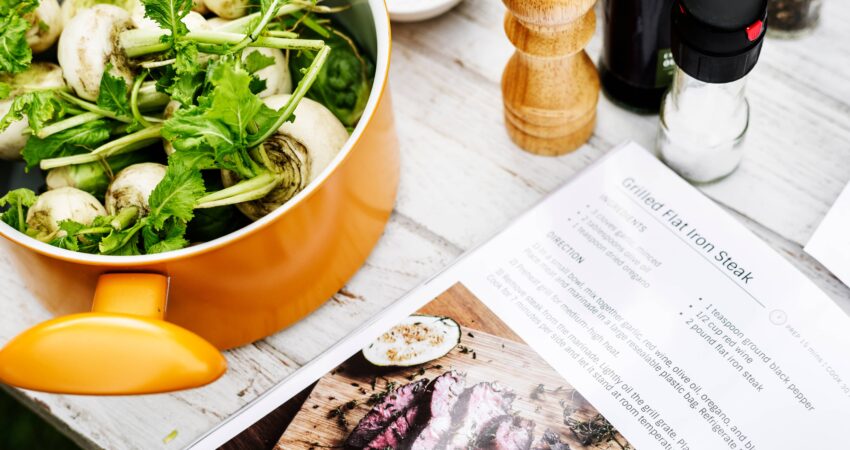
Photographs also have an important role. Food blogs commonly use natural kitchen settings instead of highly styled studio images. Wooden tables, cooking pans, and imperfect serving details create a more personal atmosphere for readers.
The Purpose of the Cookbook
Cookbooks that are blog–related often compile popular recipes into a single organized volume. Readers can find their favorite dishes without having to search through pages and pages on the internet. Printed books also have longer explanations about ingredients, traditions and the background to cooking.
This cookbook focuses on approachable cooking rather than complex gastronomy. Recipes are written for people who prepare meals at home after work, during weekends, or for family gatherings. Instructions remain easy to follow even for less experienced cooks.
The book combines several elements together:
- Traditional recipes with modern adaptation.
- Stories connected with food and travel.
- Ingredient explanations for home cooks.
- Seasonal meal ideas.
- Notes about Italian food traditions.
Many readers still prefer physical cookbooks because they can use them directly in the kitchen without electronic devices. Handwritten notes, bookmarks, and recipe changes often become part of cookbook use after some time.
Food writing inside cookbooks also preserves family knowledge. Some recipes pass through generations only by memory and spoken instruction. Writing them down helps keep older cooking habits alive.
Italian Influence on Recipes and Style
Italian cooking traditions strongly shape both the blog and the cookbook. Meals often use few ingredients with a focus on balance and freshness. Olive oil, tomatoes, cheese, herbs, bread and pasta appear regularly because they form the base of many regional Italian dishes.
Different Italian regions have separate food identities. Northern areas often use butter, rice and cream sauces, while southern regions depend more on tomatoes and olive oil. The cookbook mixes influences from several places instead of following one strict regional style.
Simple preparation methods remain the central idea. Many dishes need only short ingredient lists and moderate cooking time. Rustic presentation also stays important because home–style meals should feel comfortable instead of formal.
Popular recipe categories inside Italian–inspired cookbooks include the following:
- Pasta recipes with seasonal sauces
- Slow–cooked meat dishes
- Vegetable–based side dishes
- Bread and baked meals
- Simple desserts with fruit or cream
Italian food culture also values eating together. Meals often become social moments where conversation continues long after cooking ends. This atmosphere appears often inside blog stories connected with travel and family gatherings.
Travel, Food, and Regional Culture
Food blogs often link recipes with travel experiences. Writers may find traditional dishes and local produce in country markets, street cafes, bakeries and restaurants. Culture is usually learned through food before language or history by travelers.
Cities and villages in Italy have different cooking identities. Seafood is more common in the coastal towns, mountain regions cook more hearty meat dishes and farming areas are based on seasonal vegetables and cheese.
Travel writing connected with food usually focuses on ordinary daily life instead of luxury tourism. Small trattorias, family shops, and local markets create a stronger cultural impression than expensive restaurants alone.
Readers often enjoy this combination because recipes become connected with places and memories instead of existing only as technical instructions.
Home Cooking and Everyday Meals
The cookbook and blog both focus strongly on home cooking culture. Meals prepared at home usually follow practical needs, available ingredients, and family preferences. Everyday recipes become important because they are repeated many times during normal life.
They are often quick pasta dishes, soups, roasted vegetables and baked meals as they fit the regular schedules. Many of the recipes do not require expensive products or difficult steps to prepare. Most home cooks want to make food that tastes delicious and doesn’t require professional equipment.
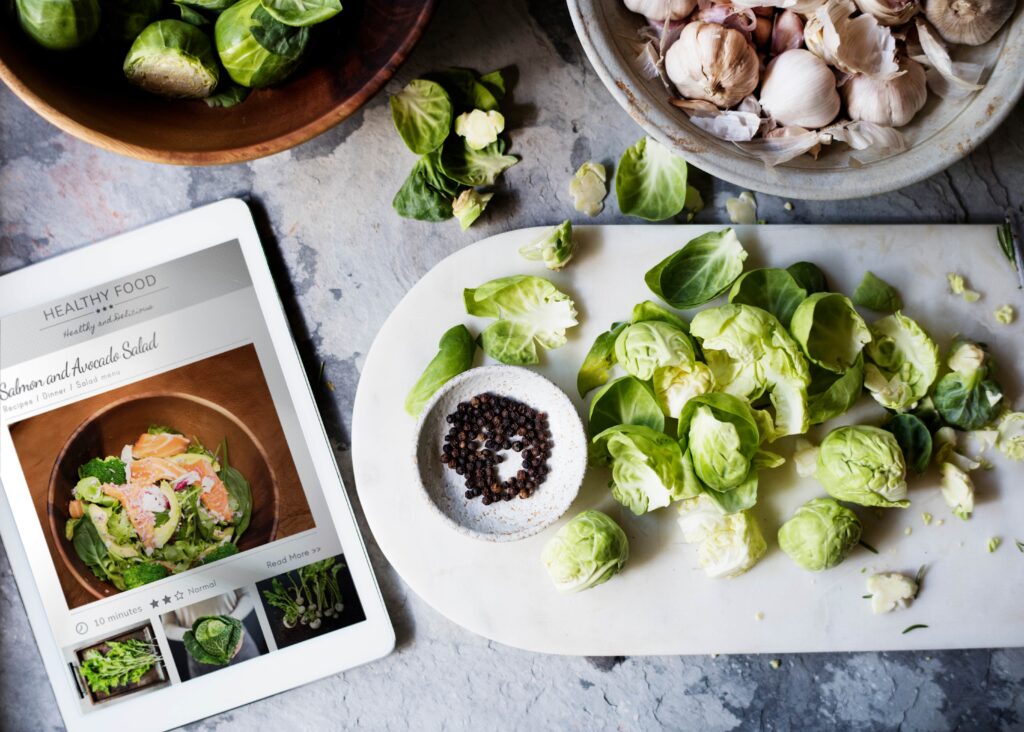
Food blogs also care about kitchen ambiance. Readers can identify better with realistic cooking situations than with perfect restaurant presentation. They’re more human, more familiar: recipes with burnt edges or uneven pasta shapes or handwritten notes.
Why Readers Continue Following Food Blogs
Food blogs create a direct connection between writers and readers. Recipes often include personal comments, cooking mistakes and small details from family life, which traditional recipe collections sometimes avoid.
Readers also return because blogs continue changing over time. Seasonal recipes, travel experiences, and new kitchen ideas appear regularly. Many people enjoy following the long–term development of cooking projects and family traditions.
Cookbooks connected with blogs often become extensions of this relationship. The printed format gathers favorite recipes and stories into one place while keeping the same personal style found online.
The combination of food, travel, and family traditions explains why these projects remain popular with readers interested in everyday cooking culture rather than formal gastronomy or restaurant–focused cuisine.