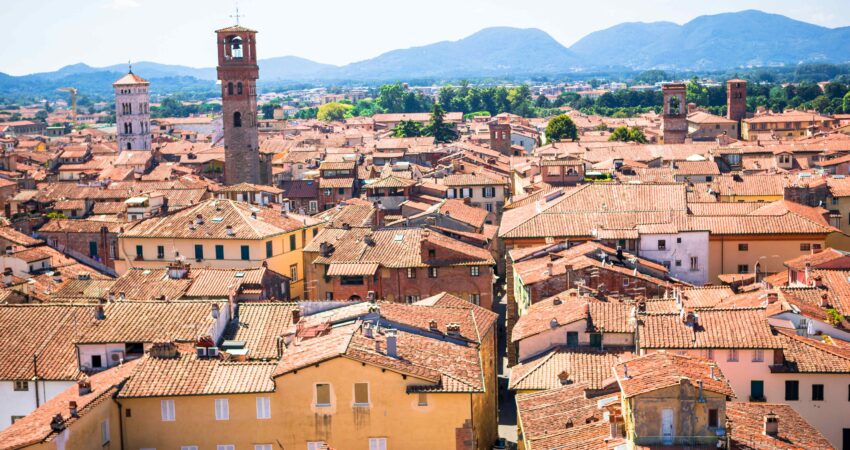
Parma is a city in northern Italy with old streets, slow life, and strong food traditions. Travelers come here for cheese and ham, but local culture also gives quiet cafes, family restaurants, small wine bars, and historic neighborhoods. Daily rhythm in Parma moves in a calm way, and visitors can see how local people spend time, eat meals, and enjoy evenings without rush.
Local Food Culture in Parma
Food has a central place in Parma life. Many recipes come from the countryside around the city, and local families keep cooking traditions from older generations. Markets, bakeries, trattorias and small groceries together create an atmosphere that many travelers remember after visiting.
Parma is known for Parmigiano Reggiano cheese and Prosciutto di Parma. Both products are connected with local history and farming traditions. Restaurants often use simple ingredients because the quality is already very high. Pasta dishes usually come fresh and handmade.
Popular dishes visitors often try include:
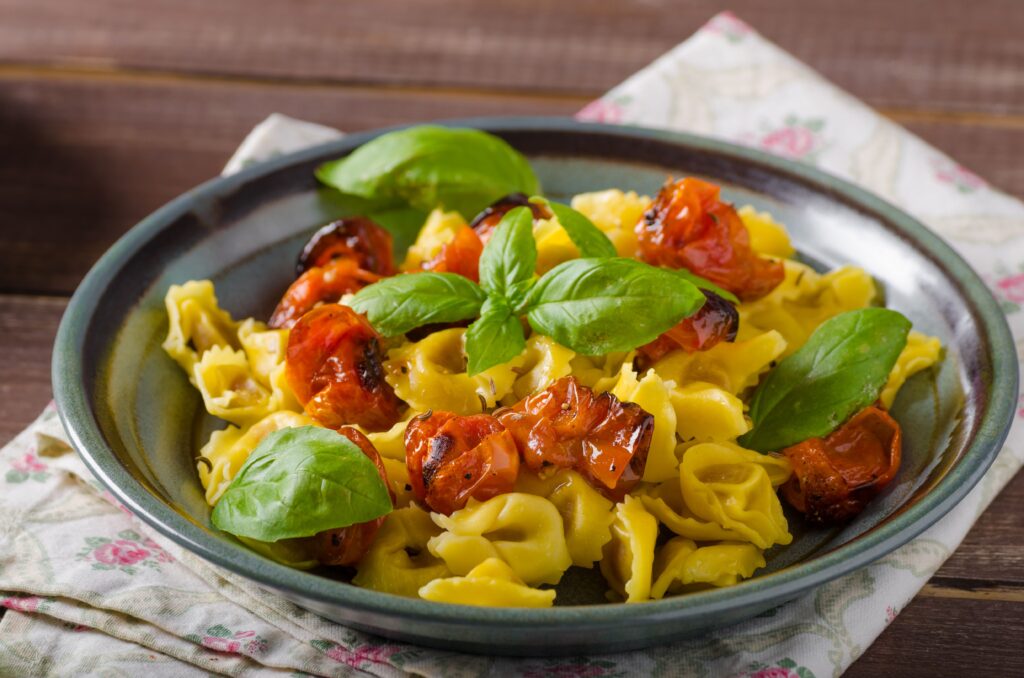
- Tortelli with ricotta and herbs
- Anolini pasta in warm broth
- Prosciutto served with bread
- Parmigiano Reggiano with balsamic vinegar
- Roasted meats with seasonal vegetables
Morning in Parma starts slowly. Local people drink espresso standing near the counter and eat a small pastry before work. Cafes around Piazza Garibaldi become busy during early hours. Later in the day, many residents stop for aperitivo with wine and small snacks before dinner.
Where to Sleep in Parma
Accommodation in Parma ranges from historic hotels to family guesthouses. Staying inside the old center gives easy access to cafes, churches and walking streets. Many buildings have classic Italian architecture with wooden shutters and stone courtyards.
The Centro Storico area stays popular because visitors can reach most attractions on foot. Streets there remain active during the evening, but the atmosphere is still quiet compared with larger Italian cities. Small hotels sometimes operate inside renovated historic buildings with only a few rooms.
Travelers who prefer a calmer environment often choose accommodation outside the central district. Residential neighborhoods give a more local feeling and lower prices. Public transport in Parma works in a simple way, and bicycles are also common for short movements across the city.
Spring and autumn are usually considered the best seasons for visiting. Summer can become hot during afternoon hours, while winter brings fog and colder streets. During food festivals and holiday periods hotels fill quickly, so an earlier reservation becomes useful.
Drinking Like a Local in Parma
Wine culture in Parma feels social and relaxed. People meet friends after work for small glasses of sparkling wine or red Lambrusco served with snacks. Bars rarely feel loud early evening because conversation and slow drinking stay more important than parties.
Lambrusco from the Emilia–Romagna region often appears with cured meats and cheese boards. Its sparkling character works well with salty local products. Some visitors expect sweet wine, but many local versions taste dry and fresh.
Traditional cafes and wine bars around Parma create a different atmosphere from modern cocktail places. Wooden interiors, handwritten menus and older local customers give a more authentic feeling. Bartenders often know regular guests personally.
Nightlife in Parma stays moderate compared with Milan or Bologna. Many evenings focus on long dinners and conversation instead of clubs. University students help create an active atmosphere near some bars, especially during weekends.
Streets, Districts, and Daily Life
Walking remains the best way to understand Parma. Narrow streets connect churches, bookstores, bakeries, and quiet squares. Bicycle riders move through the city center all day, and traffic inside older areas stays limited.
Piazza Garibaldi works as the social heart of Parma. Residents meet there during afternoon and evening, while nearby streets contain cafes, clothing shops, and restaurants. Another important place is the Parma Cathedral area with Romanesque architecture and religious art.
Daily life follows routines that change little across generations. Many shops close during the afternoon pause and then open again later. Lunch often remains an important family moment, especially on weekends.
Visitors who want local experience usually enjoy simple activities more than crowded sightseeing plans. Sitting in the square with coffee, buying cheese from the neighborhood store, or walking near the Parma River can show city character better than fast tourism schedules. Parma gives experience based on routine, tradition, and quiet enjoyment instead of constant activity.
Local Habits and Seasonal Traditions
Parma changes atmosphere during different seasons, and local habits follow weather, agriculture, and public celebrations. During autumn many restaurants prepare richer dishes with mushrooms, pumpkin, and slow–cooked meats. Winter meals often become heavier, while spring brings lighter plates with herbs and fresh vegetables from nearby farms.
Sunday remains an important day for families. Relatives gather for long lunches, which can continue for many hours. Grandparents, children and cousins usually share the same table, and recipes often pass between generations without written instructions. Food there is connected not only with taste but also with memory and identity.
Small cultural details also help visitors understand local life better:
- People usually greet shop owners before asking questions.
- Dinner often starts later than many northern European countries.
- Comfortable walking shoes help because old streets use uneven stone.
- Afternoon pauses may close smaller businesses for several hours.
- Local bakeries become busiest during early morning.
Parma also has connections with music and theater traditions. Teatro Regio is known inside Italy because opera history there remains strong. During cultural events, streets around theater become crowded with residents dressed elegant but still relaxed. Students from university add younger energy to city life, especially near cafes and bookstores.
Many visitors arrive expecting only famous food products, but the daily atmosphere often leaves a stronger impression. Parma does not try to entertain visitors every minute. The city works at a slower rhythm where meals, conversations, and familiar routines still keep a central place in ordinary life.
Local trains make easy connections with Bologna, Modena, and smaller Emilia–Romagna towns, so travelers use Parma as a quiet base for exploring regional culture, markets, and countryside landscapes without changing accommodation often.