
Creamy walnut sauce is traditional pasta sauce from north Italy. The recipe uses simple ingredients and a short cooking time, but flavor stays rich and deep. Super–Quick Pasta Sauces: Creamy Walnut Sauce with Parmiggiano became popular because people can prepare a warm pasta meal without difficult kitchen work or expensive products.
History of Walnut Sauce in Italian Cooking
Walnut sauces have existed in Italian regions for many centuries. Families used nuts because they were easy to store during colder months. In Liguria and nearby areas, cooks mixed walnuts with bread, milk, cheese, and herbs to create thick sauces for fresh pasta. Later different home versions appeared in other regions of Italy.
Modern creamy walnut sauce changed little from older recipes. Most families still keep a rustic preparation style. Sauce texture usually stays slightly rough because crushed walnuts give a natural grainy consistency. Parmigiano adds salty flavor and a stronger aroma, which balances cream and butter.
The recipe became useful for busy households because preparation needs only several minutes. Many Italian home cooks prepare walnut sauce after work or during colder evenings when heavier pasta dishes feel more satisfying.
Ingredients for Creamy Walnut Sauce with Parmiggiano
Traditional recipes use a small number of ingredients. Quality matters more than quantity. Fresh cheese and good walnuts usually change the final taste strongly. Some cooks toast walnuts before blending, while others use raw nuts for softer flavor.
Main ingredients often include:
- Walnuts
- Parmiggiano cheese
- Cream or milk
- Garlic
- Butter
- Olive oil
- Black pepper
- Pasta water
Walnuts should taste fresh and slightly sweet. Old walnuts sometimes become bitter and can affect the entire sauce. Parmigiano also needs fine texture because it melts easier inside warm cream.
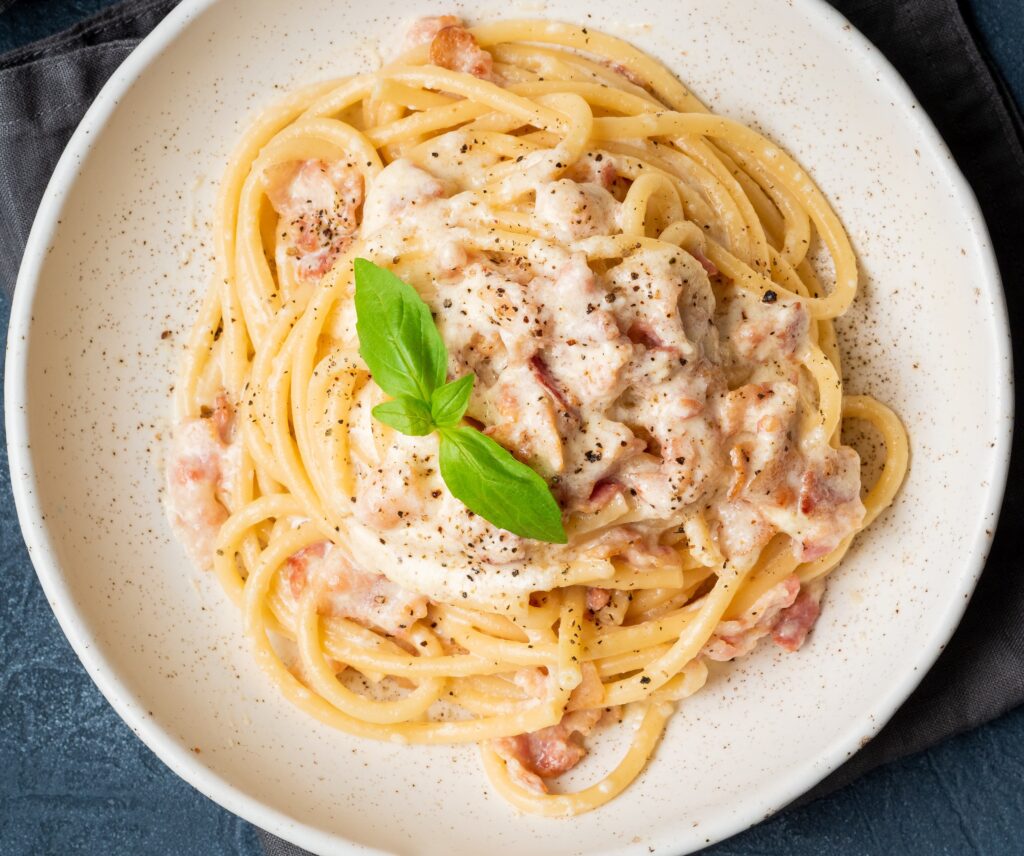
Many home recipes use spaghetti or tagliatelle, but shorter pasta shapes also work well. Pasta with a rough surface usually keeps sauce better than smooth pasta.
How to Prepare the Sauce Quickly
The sauce does not require complicated equipment. One pan and one blender or mortar often become enough. The cooking process moves fast, so ingredients should stay ready before the pasta finishes boiling.
Basic preparation follows these steps:
- Boil pasta in salted water until texture becomes al dente.
- Crush walnuts into small rough pieces.
- Warm butter and olive oil in a pan.
- Add garlic for a short cooking time without burning.
- Mix cream and walnuts together inside the pan.
- Add grated Parmesan slowly while stirring.
- Use a small amount of pasta water for a smoother texture.
- Combine cooked pasta with finished sauce.
Many cooks avoid high heat because cheese can separate from cream. Slow mixing usually creates better consistency. Black pepper is often added at the end to keep a stronger aroma.
Some people also include parsley or nutmeg, but traditional versions remain very simple. Heavy seasoning can cover walnut flavor too much.
Pasta Types and Serving Ideas
Creamy walnut sauce works with different pasta forms. Long pasta gives an elegant presentation, while shorter pasta keeps more sauce inside curves and holes. Fresh pasta usually creates a softer texture compared with dried pasta.
Bread and light salads are common side dishes with this pasta. Many Italian families serve sparkling water or dry white wine together with creamy walnut pasta because heavy red wines can dominate delicate nut flavor.
The sauce also works in colder seasons because walnuts and cheese create a filling meal. During autumn and winter, many restaurants place nut–based sauces on seasonal menus.
Difference Between Traditional and Modern Versions
Traditional walnut sauce recipes often use soaked bread and milk instead of cream. The older method creates a lighter texture and more earthy taste. Modern recipes usually include cream because preparation becomes faster and the sauce turns smoother.
Some modern cooks use food processors for a very creamy texture. Older methods used a mortar and pestle, which left larger walnut pieces inside the sauce. Rustic consistency still remains popular in many homes because it feels more authentic.
Restaurants sometimes add extra ingredients such as truffle oil, bacon, or stronger cheeses. Home cooking versions usually stay simpler and cheaper. Traditional recipes focus more on balance than on large ingredient combinations.
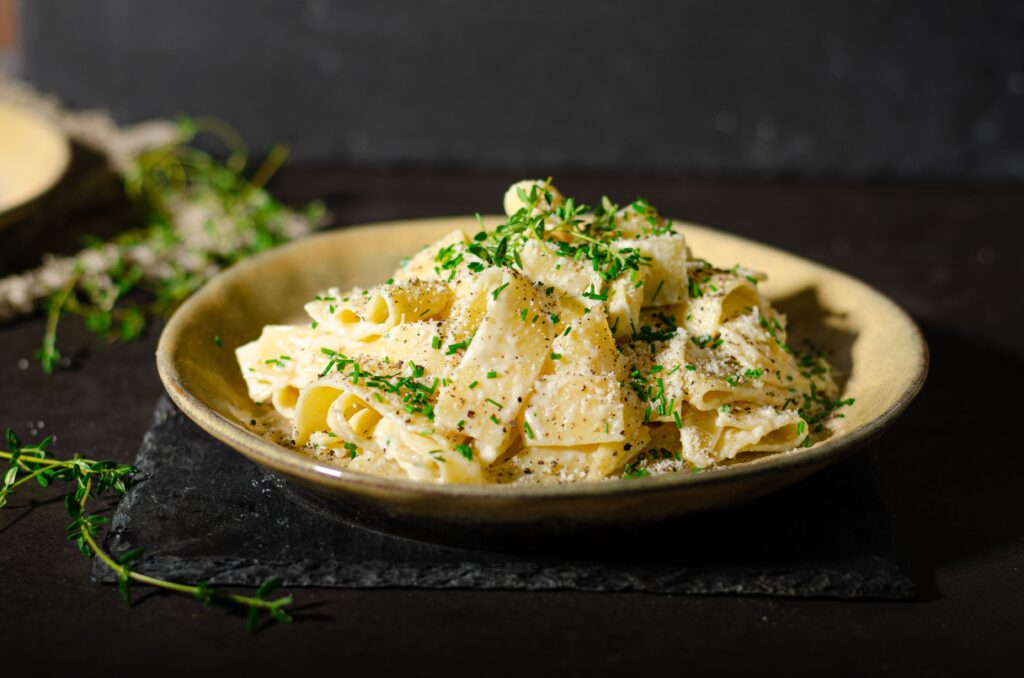
Fresh Parmigiano normally gives better results than pre–grated cheese from packages. Packaged cheese can contain a dry texture and weaker flavor. Freshly grated cheese melts easier and mixes better with walnuts.
Storage and Common Cooking Mistakes
Creamy walnut sauce can stay inside the refrigerator for one or two days, but fresh preparation usually tastes better. Reheating requires a low temperature because cheese sauces separate easily during strong heat.
Many home cooks also prepare too much sauce thickness. Pasta water helps loosen the mixture without reducing flavor intensity. Italian pasta recipes often depend on a balance between sauce and pasta instead of a very heavy coating.
Creamy walnut sauce with Parmigiano continues to stay popular because the recipe combines comfort, speed, and traditional flavor in a simple way. The dish represents everyday Italian cooking where ordinary ingredients create satisfying meals without complicated techniques or long preparation time.